

Now Available

Aphid Resistance Testing

Know where your population stands. DNA-based resistance testing for commercial greenhouse operations — a profile specific to your crop, not a generic report.
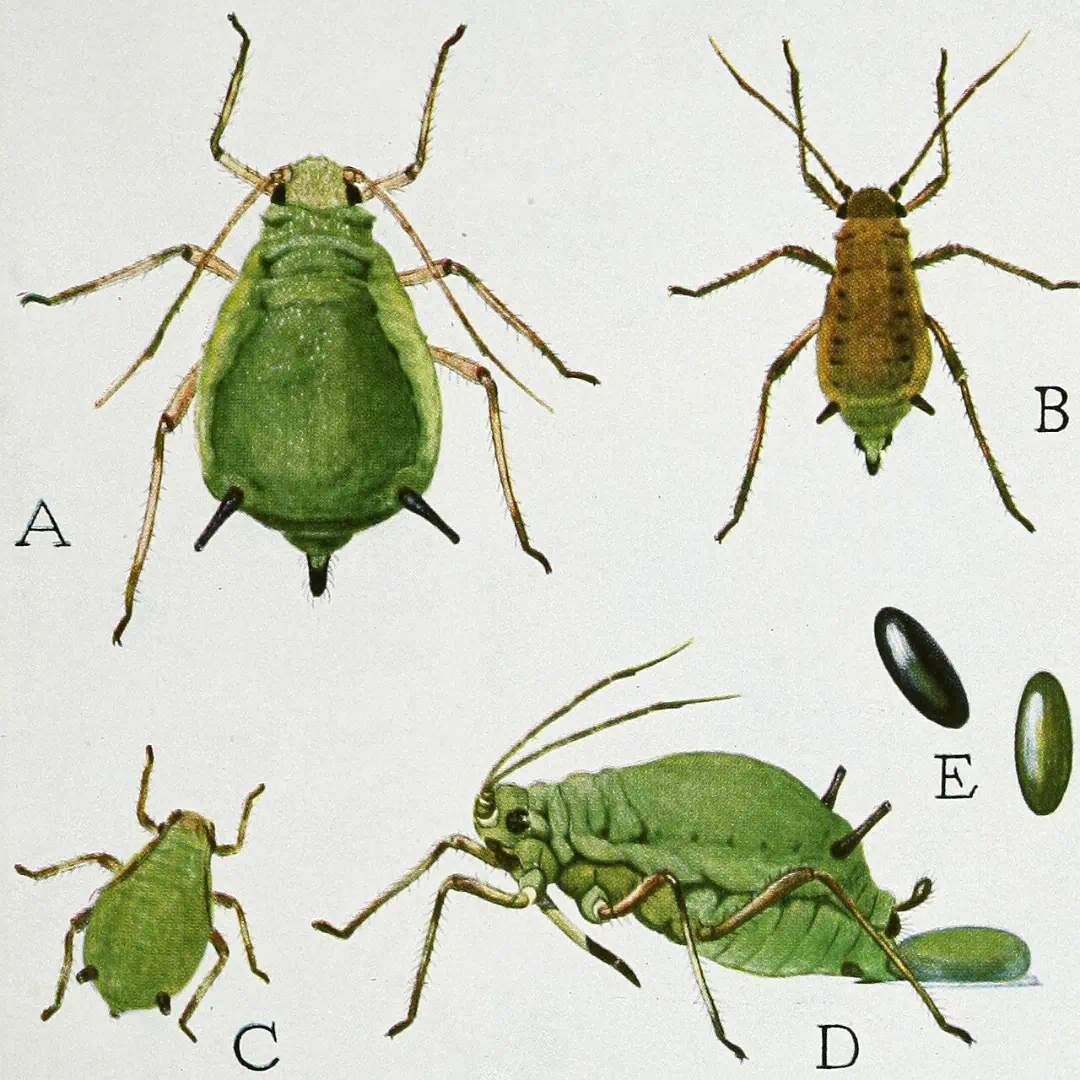
Aphid colony on plant stem — green peach aphid population
Why It Matters

Resistance builds before
spray failure is visual

Aphid populations in enclosed greenhouse environments develop pesticide resistance quickly especially under repeated chemistry. A population can be 80% resistant before spray failure becomes apparent. By then, the season is already compromised. DNA-based testing gives you a picture of your population before the decision moment, not after.


80+
offspring per aphid, per week
No mating required. A small infestation can become a serious problem before it's visually obvious.
15
generations for resistance to establish
Aphids cycle 15–20 generations per year in enclosed environments. A 1% resistance mutation can dominate within a single season.
100+
plant viruses transmitted by green peach aphid
More than any other insect on earth. In many cases the economic damage isn't from feeding — it's from what gets left behind.
Population resistance progression
Susceptible aphid population — mostly green, few resistant individuals
Susceptible populationLow resistance frequency. Most individuals respond to treatment.
Mixed aphid population — roughly equal susceptible and resistant individuals
Emerging resistanceMixed population. Spray efficacy declining — visible failure is close.
Resistant aphid population — mostly orange-red, few susceptible individuals remaining
Resistant populationResistance dominant. Current chemistry no longer effective.
Order a collection kit for aphid resistance testing
Contact us to request a collection kit for your greenhouse. We'll confirm shipping, handling, and next steps for your samples.
What We Test For

A resistance profile for your
specific population

This test screens for resistance mutations using DNA-based methods — detecting which genetic markers are present in your aphid population, across the insecticide classes used in greenhouse programs.

The resistance profile in your operation depends on your specific spray history. Without testing, it's difficult to know where you actually stand. The result tells you which modes of action still have efficacy in your population — so the next chemistry decision has something to stand on.

Species screened: Green peach aphid (Myzus persicae) and cotton/melon aphid (Aphis gossypii) — the two most economically significant aphid species in Canadian greenhouse operations.
Neonicotinoids
Most common resistance class in enclosed greenhouse populations. Documented worldwide, including Canadian operations.
Carbamates (pirimicarb)
Resistance documented in some Ontario greenhouse populations.
Pyrethroids
Variable resistance. Used in some operations with label restrictions.
Organophosphates
Declining use in commercial greenhouse settings. Included to complete the resistance profile.
What You Get

Not a generic report.
A picture of your greenhouse.

Population-specific resistance profile Which mutations are present in your specific aphid population, not a regional average.
Mode-of-action clarity Which insecticide classes still have efficacy in your population at the time of testing.
Sampling guidance included How to collect, preserve, and ship your sample. Every step documented before you start.
Direct interpretation walkthrough We go through the results with you — what they mean for your IPM program, and what they don't.
How It Works

From collection kit to results

Contact Us

Contact us to request a collection kit for your greenhouse, bay, or zone.

Kit Ships

Your collection kit is shipped to you with the materials and instructions needed for sampling.

Collect & Return

Collect your samples and ship them back using the instructions provided with your kit.

Results

Receive your resistance profile and a direct walkthrough to connect the findings to your IPM program.

Collection Kits

Contact us for pricing.
Collection kits available.

Now Available
Aphid Resistance Testing
Contact us for pricing.
for commercial greenhouse operations

Each submission includes a population-specific resistance profile and a direct results walkthrough for your operation. Collection kits are available for greenhouse teams across Canada.

Population-specific resistance profile
Mode-of-action clarity report
Sampling and handling guidance
Direct results interpretation walkthrough
Both Myzus persicae and Aphis gossypii screened

Contact us to request a collection kit. We'll ship the kit to you, you'll collect your samples and send them back, and we'll deliver your results with a direct walkthrough.

FAQ

Common questions

This test uses DNA-based methods to detect specific resistance-associated mutations in your aphid population. It does not measure mortality rates or spray trial outcomes — it tells you which genetic markers linked to resistance are present, and at what frequency, in your collected sample.
The test screens for resistance in green peach aphid (Myzus persicae) and cotton/melon aphid (Aphis gossypii). These are the two most economically significant aphid species in Canadian commercial greenhouse operations. If you're unsure which species you have, let us know when you submit — we can help you identify before you collect.
Contact us to request a collection kit before collecting. We'll ship the kit to you with documented sampling and handling protocols, and you'll use those instructions to collect your samples and ship them back correctly.
One collection kit covers 3 aphids sampled within a single bay or zone. If you need to sample multiple bays or zones, contact us and we'll confirm the right number of kits for your submission.
The panel covers neonicotinoids, carbamates (pirimicarb), pyrethroids, and organophosphates — the four classes most commonly used in greenhouse aphid management programs. These represent the modes of action where DNA-based resistance markers have been validated for Myzus persicae and Aphis gossypii.
Results are delivered with a direct walkthrough — we go through what the resistance profile means for your specific operation, which chemistries still have efficacy, and what the findings suggest for your spray rotation decisions. The result is not a raw data dump. We connect it to actionable IPM context.
Yes. The service is available to commercial greenhouse operations across Canada. If you're outside Canada and interested, reach out and we'll confirm whether your submission context can be accommodated.
Use the contact page to request a collection kit and share a few details about your operation. We'll confirm the next steps, ship the kit, and provide the collection instructions for your samples.